

Socioecological determinants of mammal recovery in post-war landscapes in Angola
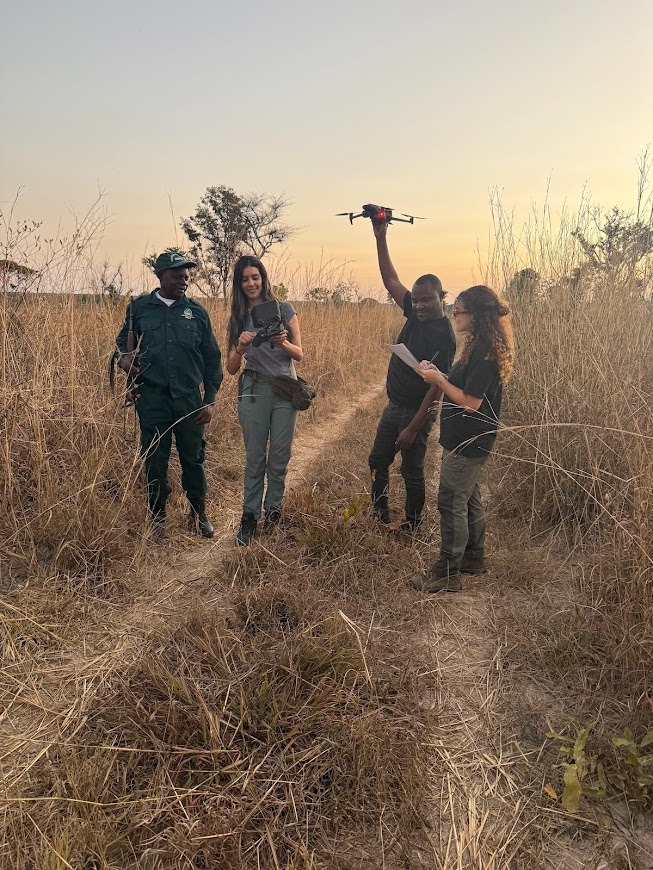
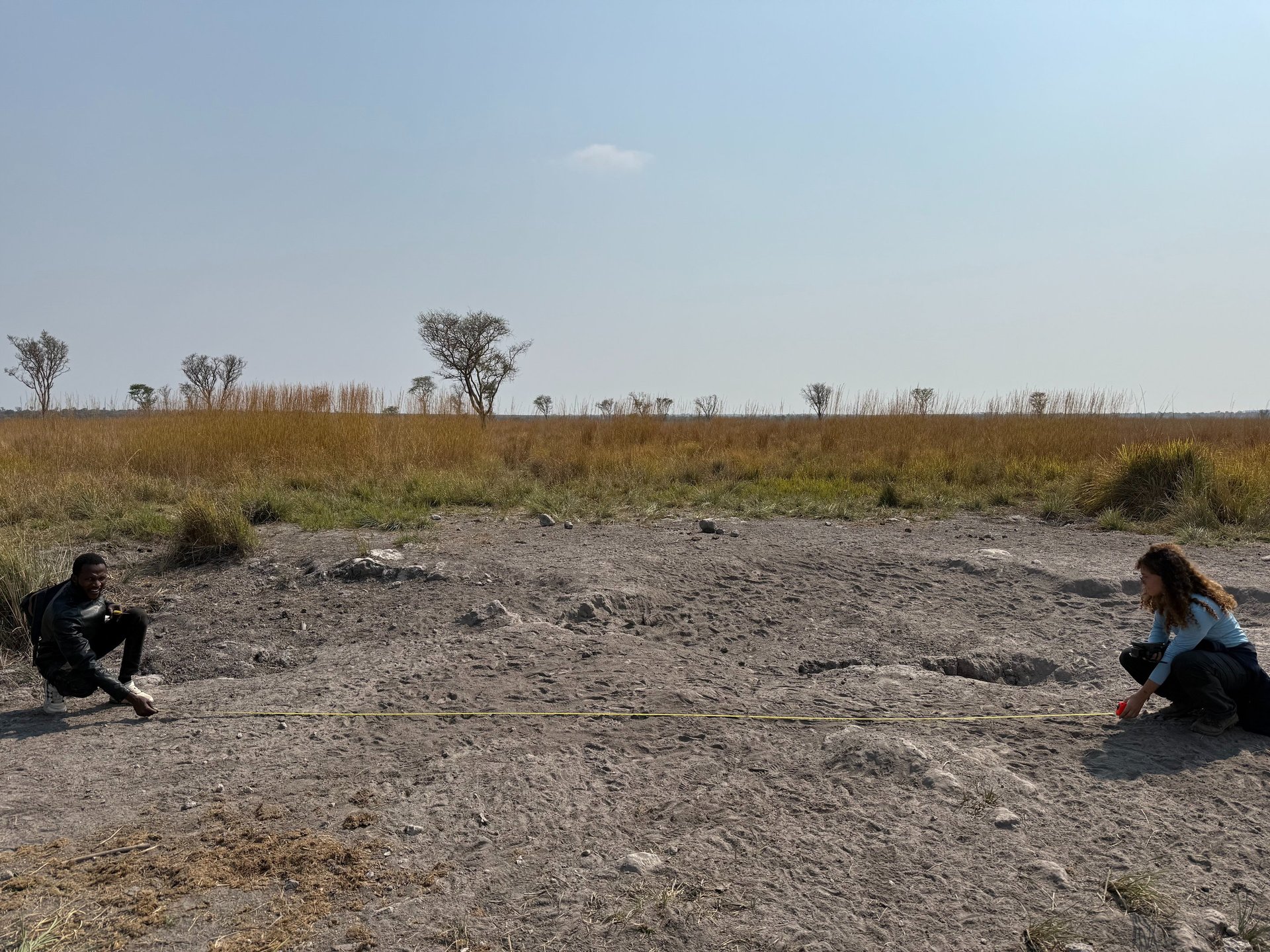
Angola experienced a devastating civil war for 27 years, and even after the end of the conflict, its effects still persist on the fauna due to illegal hunting, the presence of landmines, and former military bases located in protected areas. Assessing whether and how life persists in these landscapes is essential to understanding the real possibilities of ecological recovery in post-conflict territories. This study investigates the current state of Angolan mammal fauna after the end of the war, examining signs of resilience and recolonization of species. The objectives are: to improve species detection through images obtained by drones; to map the current diversity of mammals in areas subjected to different intensities of conflict; and to compare the current diversity of mammal fauna with historical records, identifying socio-ecological strategies that influence its post-war recovery. To this end, the study uses a thermal drone for fauna monitoring and conducts semi-structured interviews with local experts in order to identify possible socio-ecological strategies associated with the recovery of mammal fauna in the post-war period. It is expected that there will be less diversity of medium and large mammals in areas with landmines, due to their greater susceptibility to mortality from explosions. It is also predicted that in areas with military bases, the recovery of fauna will be lower, since access to weapons is easier, while in monitored areas a greater richness of species is likely to be found.