

Characterization of the gut microbiome of Sylvicapra grimmia aiming at the detection of pathogenic microorganisms in fecal samples
The gut microbiome plays a fundamental role in the physiology, nutrition, and health of vertebrate hosts, influencing metabolic and immunological processes, as well as resistance to colonization by pathogenic microorganisms. In wild mammals, the composition of the gut microbiota reflects complex interactions between diet, environment, ecological behavior, and health status, and is increasingly recognized as a relevant indicator of ecosystem health and the interface between animals, humans, and the environment.
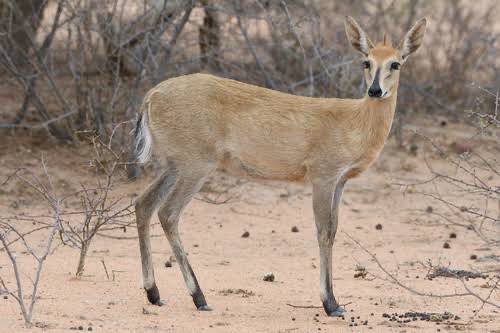
Sylvicapra grimmia (bambi) is an antelope widely distributed in African ecosystems and frequently involved in direct or indirect interactions with human populations, whether through hunting, consumption of bushmeat, or habitat sharing. These contacts can favor the circulation of microorganisms between wild animals, domestic animals, and humans, posing potential zoonotic risks. However, knowledge about the composition of the gut microbiome of this species remains limited, particularly regarding the presence of microorganisms with pathogenic potential.
In this context, characterizing the gut microbiome of S. grimmia through the analysis of fecal samples constitutes a non-invasive and scientifically robust approach to understanding the structure of the microbial community associated with this host. The use of 16S rRNA gene sequencing techniques will allow the description of bacterial taxonomic diversity and the identification of microbial groups potentially associated with pathogenic conditions, albeit indirectly.
Thus, this project aims to characterize the gut microbiome of Sylvicapra grimmia and identify the occurrence of potentially pathogenic microorganisms in fecal samples, aiming to contribute to the assessment of possible public health risks. The expected results may provide relevant information about the gut microbiota of this species, support sanitary surveillance strategies in contexts of human-wildlife interaction, and subsidize future studies with more in-depth functional approaches.